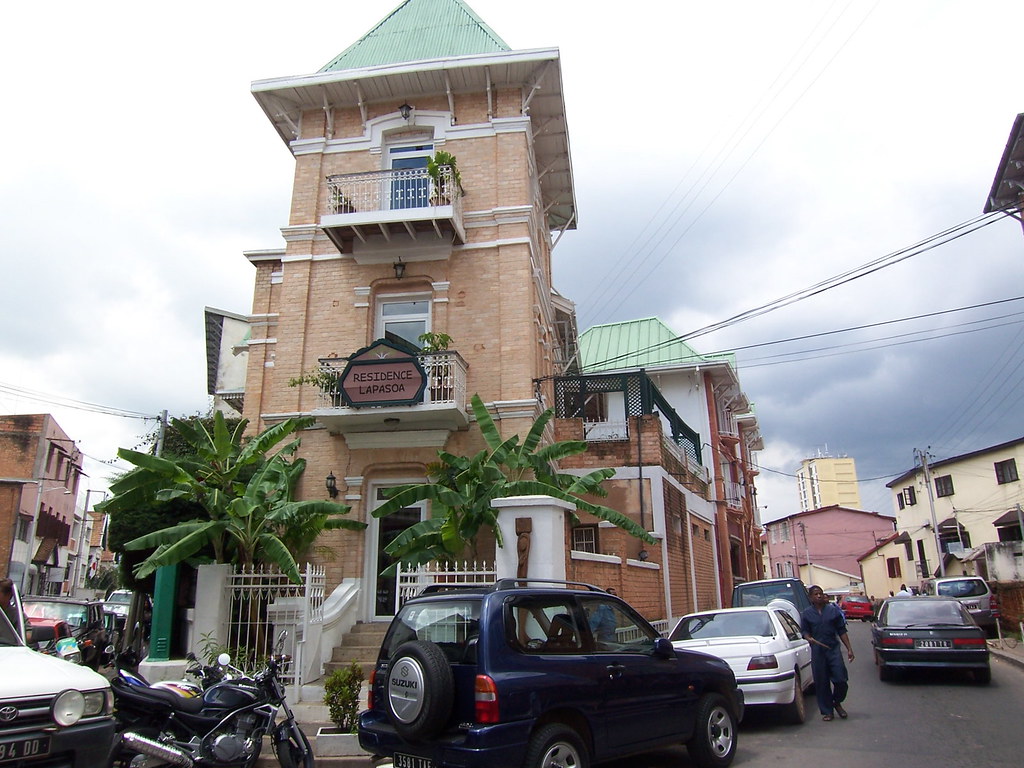
Madagascar tours in 2026 cover a remarkably diverse range of experiences, from lemur tracking in Andasibe-Mantadia and Ranomafana National Parks, to navigating the razor-sharp limestone formations of Tsingy de Bemaraha, to watching humpback whales off Île Sainte-Marie between July and September, to relaxing on the beaches of Nosy Be and Ifaty. The average daily price for active adventure tours to Madagascar runs around $270 per day, with an overall average total tour price of $3,115. Madagascar is not the cheapest destination in Africa, but it delivers exceptional value considering its wildlife, landscapes, and cultural depth. Around 70 percent of Madagascar’s fauna is endemic, including the panther chameleon, blue coua, mongoose-like fossa, and the satanic leaf-tailed gecko.
| Tour Type | Typical Duration | Difficulty | Starting Price (USD) | Best Season |
|---|---|---|---|---|
| Wildlife Circuit (RN7 Route) | 10 to 14 days | Moderate | $1,700 to $2,700 | April to November |
| Tsingy and Baobabs West Tour | 9 to 12 days | Moderate to Strenuous | $1,979 to $2,640 | May to October |
| Nosy Be Beach and Islands | 5 to 7 days | Easy | $800 to $2,000 | May to November |
| Whale Watching, Île Sainte-Marie | 7 to 10 days | Easy | $1,574 to $2,400 | July to September |
| River Expedition (Tsiribihina) | 10 to 15 days | Moderate | $2,000 to $3,500 | May to October |
| Full Island Highlights | 14 to 20 days | Moderate | $2,689 to $5,913 | April to October |
The RN7 Wildlife Route: Madagascar’s Classic Tour
The Route Nationale 7 is the most popular touring route in Madagascar, presenting a combination of sightseeing, nature walks, and cultural discovery that covers Madagascar’s highlights in around 13 days. The RN7 takes travelers through terraced highlands, dramatic mountains, dry savannah, impressive baobab trees, and exotic thorny forests, ending on a beach with turquoise waters. The road connects Antananarivo in the highlands with Toliara on the southwest coast, threading through multiple national parks and Malagasy market towns along the way. Driving times are real and distance on a map does not translate cleanly in Madagascar, with potholes, road works, slow-moving trucks, and village crossings adding time throughout; a private driver who knows the route adds safety and pacing, with well-timed stops at wildlife areas and villages. Most organized RN7 tours use a private 4×4 vehicle with a driver-guide, and budget around $80 per day minimum for that vehicle alone.
Andasibe-Mantadia National Park: Lemur Tracking in the Eastern Rainforest
Located 140 km east of the capital, Andasibe-Mantadia is the most visited park in Madagascar, home to the Indri-indri, the country’s largest lemur, known for its haunting call, with well-maintained trails offering 2 to 6-hour hikes through primary rainforest. The park also has 10 other diurnal and nocturnal lemur species, large chameleons, and the rarely seen blue coua. If hearing the indri’s call is a priority, aim for an early start between 7 and 11 AM, when they are most vocal. Most Madagascar tours begin or end at Andasibe because of its proximity to the capital, making it accessible even on a 7-day itinerary. The Mitsinjo Community Reserve at the edge of the park is worth including for night walks where smaller nocturnal species like mouse lemurs and chameleons are reliably spotted.
Ranomafana National Park: Rainforest Biodiversity in the South

Further south along the RN7, Ranomafana National Park spans 41,600 hectares of tropical forest. Expect humidity, mud if it rained, and a serious species list including bamboo lemurs, sifakas, tenrecs, and a strong chance of rare chameleons. The park is best known as one of the few places in the world to see the golden bamboo lemur, a species discovered here in 1986. Lemurs and birds are often easiest to spot first thing in the morning or later in the afternoon. The park entrance fee is 65,000 Ariary for a single day entry, and guides are mandatory. Most tour itineraries allocate two nights at Ranomafana to allow both a full-day forest walk and an early morning tracking session before continuing south toward Isalo.
Isalo National Park: Canyons, Natural Pools, and Arid Landscapes
Covering 81,540 hectares, Isalo features an eroded sandstone massif with canyons, natural swimming pools, and spectacular rock formations that make it one of the most photographed sites in Madagascar, with circuits ranging from a few hours to multi-day treks with camping. It is almost guaranteed that visitors will see ring-tailed lemurs at Isalo, as they are not particularly afraid of humans, allowing for good photographs without specialist camera equipment. Spending a full day exploring Isalo on foot, visitors trek through small canyons, stop at a natural swimming pool for shade, then walk on to the cascades, considered among the best waterfalls in Madagascar. Guide fees at Isalo run between 80,000 and 120,000 Ariary depending on the route chosen, with a 65,000 Ariary single-day park entrance fee.
Tsingy de Bemaraha: Western Madagascar’s UNESCO Limestone Formation
Tsingy de Bemaraha is a UNESCO World Heritage Site since 1990, located in the remote Melaky region of western Madagascar, covering approximately 1,500 square kilometers of dramatic karst landscapes with sharp, needle-like limestone pinnacles known as tsingy. Suspended bridges and via ferrata routes allow visitors to explore these formations, with access from Morondava requiring several hours on off-road tracks. The park is only accessible during the dry season, with most visitors flying into Morondava and then making a long 4×4 drive of 7 to 10 hours to Bekopaka village, the gateway to the park. Entry fees run around 55,000 to 65,000 MGA (approximately $10 to $12 USD) per person, plus guide fees charged at a group rate. Most tours pair the Tsingy with an Avenue of the Baobabs visit at sunset near Morondava.
Île Sainte-Marie and Humpback Whale Watching

Humpback whales migrate past Île Sainte-Marie from July to September, making this the prime window for whale watching tours from the island. Masoala National Park, accessible only by boat from Maroantsetra, protects 230,000 hectares of primary forest and marine areas as Madagascar’s largest national park, with humpback whale watching from July to September and diving opportunities complementing the forest trekking. Île Sainte-Marie (Nosy Boraha) itself is a long, thin island off the northeast coast with calm beaches, colonial history, and a pirate cemetery. Five-day stays on Sainte Marie island allow exploration of the island’s villages, which are populated by friendly locals, alongside access to world-renowned beaches. A dedicated whale-watching tour from the island typically costs $50 to $120 per person for a half-day boat excursion.
Nosy Be: Beach and Marine Tours in the Northwest
Nosy Be Island in Madagascar’s northwest offers a 5-day beach and island experience with stays on Sakatia Island overlooking sunsets, touring Lokobe Wildlife Reserve, Hellville City, Marodoka Village, the Lemuria Land distillery, and the sandbar islands of Nosy Iranja. The marine waters around Nosy Be provide snorkeling and diving on coral reefs at Nosy Tanikely, where sea turtles are regularly seen. On nearby Nosy Mangabe, the Aye-aye, a nocturnal lemur with a specialized long finger, is regularly spotted. Nosy Be works well as a standalone beach add-on at the end of a wildlife circuit, and flights connect regularly from Antananarivo (Ivato airport). Most beach lodge packages on Nosy Be run $100 to $300 per night depending on category, and the island has options from budget guesthouses to upmarket resorts.
Tsiribihina River Expedition Tours
A 15-day river and trekking excursion through western Madagascar covers the Tsiribihina River by boat, a visit to Tsingy de Bemaraha National Park, hiking through the remote Makay deep forest canyons, and the Avenue of Baobabs. These itineraries can include paddling traditional canoes on the Manambolo River, with nights spent camping on beaches along the riverbanks. River expeditions on the Tsiribihina typically cover around 90 km over three days, drifting past riverside villages, bird-rich riverbanks, and dramatic canyon walls. The river journey is one of the best opportunities to see villages that are not accessible by road and to observe daily Malagasy life up close. This type of tour suits active travelers comfortable with basic camping setups and variable weather in the wet-dry transition months.
Cultural Tours: Antananarivo, Ambositra, and the Highlands
Malagasy culture is a blend of Malagasy tradition and influences brought by seafaring nations, from Arabic traders to French colonists, and the best tours employ local guides throughout to provide first-hand cultural insights from people who have lived on the island all their lives. Eastern rainforest routes include unique cultural highlights like silk weaving demonstrations in Ambositra, conservation projects, and sightings of rare golden bamboo lemurs. Antananarivo itself merits at least one full day: the Rova royal palace on the hilltop, the Analakely market, and the Zoma flower market provide a grounded introduction to Malagasy urban life. An optional city tour covering the historic district, the flower market, and downtown is commonly offered as part of tour arrival day programming. Antsirabe, around three hours south of Tana, adds thermal springs and traditional pousse-pousse (rickshaw) rides as a cultural pause on the RN7.
What Madagascar Tours Cost in 2026
| Cost Item | Budget Estimate | Mid-Range Estimate | Luxury Estimate |
|---|---|---|---|
| International Flights (return) | $800 to $1,100 | $1,100 to $1,400 | $1,400 to $2,500+ |
| Guided Tour Package (per person) | $1,099 to $1,800 | $1,800 to $3,500 | $3,500 to $15,295+ |
| Accommodation (per night) | $20 to $50 | $60 to $150 | $150 to $300+ |
| National Park Entry Fees (per day) | $5 to $12 | $12 to $20 | $12 to $20 |
| Mandatory Park Guide Fees (per day) | $15 (half day) | $33 (full day, group of 4) | $33 to $80 |
| Private 4×4 Driver-Guide (per day) | $80 to $100 | $100 to $150 | $150 to $250 |
| Domestic Flights (per sector) | $80 to $150 | $120 to $200 | $150 to $300+ |
| Meals (per day) | $5 to $15 | $15 to $30 | $30 to $80 |
| Activities and Excursions (per day) | $20 to $50 | $50 to $100 | $100 to $200+ |
| Total 14-Day Trip (per person) | $2,500 to $3,500 | $4,000 to $7,000 | $8,000 to $20,000+ |
A budget backpacker holiday costs from around €1,400 per couple without flights. Expect basic guesthouses, shared tour groups, local restaurants, and taxi-brousse transport between towns. Park fees and mandatory guide costs add up even on a shoestring itinerary.
Mid-level private Madagascar tour packages run approximately €150 to €300 per person per day. This typically covers a private 4×4 with driver-guide, three-star lodge accommodation, breakfast, and park entry fees. Lunches, dinners, and domestic flights are usually separate.
The most expensive organized tours reach $5,913, while specialist wildlife expeditions with chartered flights, Relais and Chateaux properties, and private guides start at $15,295 per person. Luxury lodges like Mantadia Lodge and Palissandre Resort provide this level of comfort.
Best Season to Book a Madagascar Tour
| Month | Conditions | Best For | Notes |
|---|---|---|---|
| January to March | Wet season, cyclone risk on east coast | Baobab trees in leaf (western areas) | East coast roads can be impassable; RN7 passable |
| April to June | Shoulder, drying out | Wildlife, hiking, lower prices | Good value, fewer crowds, Ranomafana excellent |
| July to August | Dry season peak | All circuits, Tsingy, whale watching | Book 6 months ahead; lodges sell out |
| September to November | Dry, warming | Wildlife, Tsingy, lemur young | September sees lemur babies; excellent for photography |
| December | Early wet season returns | Beach stays (Nosy Be, Ifaty) | Tsingy access closes; coastal tours still viable |
Book at least 6 months ahead for peak season travel, as the best lodges at places like Isalo and Andasibe have just a few rooms and fill up quickly during the high season from July to October. Traveling in the shoulder season from April to June or September to November allows for lower prices and hiring local guides directly rather than through international agencies.
How to Choose the Right Madagascar Tour
It is easy to assume a package covers everything, but in Madagascar that is rarely the case, and misunderstanding what is included is one of the most common reasons travelers face unexpected costs. Most standard packages include a 4×4, fuel, a driver, hotel, and breakfast, with park entrance fees; travelers generally pay extra for lunches, dinners, drinks, and tips. Domestic flights are usually not included and must be booked and paid for separately. When comparing operators, check specifically whether mandatory park guide fees are included, as some budget packages exclude these and they can add $20 to $50 per person per park day. The average tour length across the market spans 12 days, with tours ranging from 2 to 29 days long. Wildlife-first travelers should anchor their itinerary around Andasibe and Ranomafana. Those drawn to dramatic landscapes should prioritize the Tsingy and Isalo. Beach travelers should factor in Nosy Be or Sainte-Marie as a finisher.
The average maximum group size for Madagascar tours is 15 people, giving a balance of social interaction and personalized time. Small group tours are the most cost-effective guided format and suit solo travelers and couples who want a planned itinerary without paying for a fully private vehicle.
Private tours use a dedicated driver-guide and vehicle for your party only. This allows flexible timing in parks, stops at lesser-known viewpoints, and pace adjustments based on wildlife sightings. You retain all the security of a plan but can still choose your daily walks or activities.
The RN7 is a paved road and generally manageable to self-drive, but it is poorly maintained in places with washed-out sections and potholes that significantly slow progress. Self-drive suits experienced overland travelers; a 4×4 is mandatory for most routes, and navigation apps have variable reliability off main roads.
Practical Planning Notes for Madagascar Tours
All travelers entering Madagascar need a valid visa, which can be obtained on arrival for stays up to 30 days for most nationalities. When visiting national parks, there is no need to book in advance; permits and guides can be arranged directly at the park gate, with all payments in cash only in Ariary. ATMs are available in Madagascar, especially in major towns and cities like Antananarivo, and most accept Visa cards, though it pays to confirm with your bank before travel regarding withdrawal fees. Roads in Madagascar are bumpy and winding, including dirt roads with many ruts and potholes, and travelers should prepare for this physical reality when planning driving days. Tipping is not expected in Madagascar but is appreciated and is an important income source for those in the tourism industry, with around 10 percent considered a standard guideline for good service.
How long should a Madagascar tour be?
Two weeks or so is a relatively common period to visit Madagascar. A 7-day tour is workable if focused on one region such as Andasibe plus Antananarivo. A 10 to 12-day tour covers the RN7 highlights from Andasibe to Isalo. A 14 to 20-day tour allows the combination of eastern rainforests, western baobabs and Tsingy, and a beach finish without feeling rushed.
Do I need a guide in Madagascar’s national parks?
Unlike typical African safaris, the national parks in Madagascar are largely car-free; visitors leave their vehicle at the entrance gate and explore the park on foot with a local guide, and most parks offer a range of hiking trails to suit different fitness levels and interests. Guides are mandatory in all parks, cannot be waived, and are arranged at the gate on the day of your visit.
What wildlife can I realistically expect to see?
The lemurs are rarely easy to find, and a guided hike through the rainforest can be as rewarding as a sighting of a ring-tail. Indri lemurs in Andasibe, ring-tailed lemurs in Isalo, and golden bamboo lemurs in Ranomafana are realistic targets. For Tsingy de Bemaraha, lemurs, birds, and reptiles are highlights, but sightings are not guaranteed. Chameleons, leaf-tailed geckos, and over 300 bird species add to the wildlife list across different parks.
Is Madagascar safe for tourists?
Madagascar is generally safe and most visits are trouble-free, though petty crime and tourist scams exist, particularly in towns and cities; taking a taxi after dark is advisable rather than walking. Tourist areas are generally welcoming and safe. Traveling with a reputable licensed operator significantly reduces risk, especially on remote routes where road conditions and logistics can be unpredictable.
What is not typically included in a Madagascar tour package?
Domestic flights are usually not included in packages and costs change often, so checking before booking is important; visa fees must also always be paid separately. Additional items typically excluded include international airfare, lunches and dinners beyond what is specified, alcoholic drinks, tips for guides and drivers, and optional activities. Budget packages can also exclude mandatory park guide fees or fuel, which can double daily costs unexpectedly.
When should I book a Madagascar tour for 2026?
Peak season runs from July to October, when vehicles and popular hotels book months in advance, and booking at least 6 months ahead is recommended to avoid disappointment. Shoulder months bring lower prices on hotels and activities while maintaining pleasant weather for outdoor adventures. April to June and September to November are the strongest value windows for most travelers.